- Email:sales@acgit.com
- phone:(+2) 02 2677 5516
Your Complete Guide to Choosing the Perfect Packaging Box Handle
Packaging box handles are designed to transform a cumbersome load into a comfortable carry. By providing a secure grip, these handles distribute weight evenly, preventing the box from digging into your palms. Simply attach the handle to the box’s top or sides, and it instantly makes lifting, moving, or gifting your package safer and easier. This small addition turns a frustrating transport task into a smooth, effortless experience.
Ergonomics and User-Friendly Grip Designs
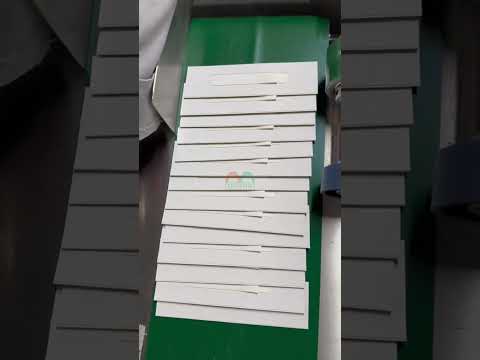
Effective packaging box handle design hinges on ergonomics and user-friendly grip designs that reduce strain during transport. A contoured handle, molded to fit the natural curve of the palm, prevents pressure points and distributes weight evenly across the hand. Soft-touch materials or textured surfaces enhance tactile feedback, ensuring a secure hold even with damp fingers or during rapid movement.
The optimal handle integrates a slight finger groove and a rounded, non-slip cross-section, allowing the user to shift their grip without interrupting momentum.
By aligning the handle’s pivot point with the box’s center of gravity, designers minimize wrist torque and make lifting feel effortless, transforming a mundane carry into a fluid, fatigue-free action.
Why Handle Comfort Dictates Customer Satisfaction
A poorly designed handle immediately communicates discomfort, transforming a simple carry into a frustrating ordeal. When a handle’s shape or material dig into the hand, it creates negative physical feedback that overshadows the quality of the product inside. The user’s perception of the entire brand hinges on that single point of contact. A handle that balances weight distribution through a contoured surface prevents fatigue, ensuring the last step of the journey feels as easy as the first. Prioritizing enough padding and a non-slip texture directly satisfies the primary user need: a secure, pain-free grip. This tactile satisfaction is the final, lasting impression, making handle comfort a non-negotiable driver of repeat purchase intent. Without it, even premium contents feel cheap to carry.
Balancing Weight Distribution with Cutout Shapes
Cutout shapes in a packaging box handle directly manage weight distribution by shifting the center of gravity. An offset cutout, positioned closer to the heaviest product side, creates a balanced carry angle, preventing the box from tilting. The shape’s perimeter dictates stress paths; a teardrop or contoured aperture funnels force into the hand’s load-bearing arc, while a square cutout concentrates pressure unevenly. A shallow, radiused cutout near the base repositions torque away from the wrist, reducing rotational strain during transit.
Q: How does a cutout shape prevent box tipping during carry?
A: By placing the cutout nearer to the heavier load, the handle acts as a fulcrum, ensuring the box’s center of mass stays aligned below the grip point.
Materials That Prevent Slipping and Hand Fatigue
Thermoplastic elastomers and high-friction silicone grips directly counter slipping by creating micro-textured surfaces that channel moisture away while maintaining constant contact. EVA foam with closed-cell structure absorbs shock without compressing flat, reducing hand fatigue during extended carries. Dual-density overmolding bonds a soft rubber layer to a rigid polypropylene core, providing tactile feedback that prevents grip readjustment. Anti-fatigue cork infusions subtly conform to palm contours, distributing pressure evenly across the handle surface. These engineered materials ensure secure handling and sustained comfort throughout transport.
Thermoplastic elastomers, high-friction silicones, EVA foam, and cork infusions prevent slipping and reduce fatigue through micro-texturing, shock absorption, and pressure distribution.
Material Selection for Durability and Aesthetics
For packaging box handles, material selection directly dictates the tension between load-bearing durability and visual appeal. Rigid options like die-cast zinc or thick polypropylene offer structural integrity for heavy boxes, resisting deformation under stress, while materials like natural cotton webbing or leather provide a tactile, premium aesthetic that softens the box’s rigidity. The core compromise lies in surface finishing: a brushed stainless steel handle resists corrosion and fingerprints (improving longevity), yet its cold touch can feel industrial, whereas a wrapped microfiber or rubberized coating enhances grip and visual warmth but may degrade with UV exposure or repeated flexing.
Always match the handle’s tensile strength to the box’s maximum load, not just its average weight, to prevent snap failure.
For aesthetic coherence, the handle’s texture and color should complement the box’s substrate—matte black nylon blends with Kraft cardboard, while polished brass accents luxury rigid boxes.
Rigid Paperboard vs. Reinforced Plastic Inserts
Rigid paperboard inserts offer a cohesive, matte finish that complements premium box handles, but they lack structural resilience under heavy loads, risking deformation. Reinforced plastic inserts provide superior tensile strength, preventing handle sagging over time, yet can introduce a glossy contrast that distracts from natural paper textures. For durability-focused designs, reinforced plastic inserts outperform rigid paperboard in repeated lift cycles, though the latter excels in achieving a seamless aesthetic with the box exterior.
| Aspect | Rigid Paperboard | Reinforced Plastic |
|---|---|---|
| Weight Capacity | Moderate; deforms under persistent stress | High; maintains shape under frequent use |
| Visual Integration | Matches box surface tones exactly | May require coating to reduce gloss mismatch |
| Fatigue Life | Lower; creasing weakens over repeated handle pulls | Higher; polymer flexibility resists cracking |
Cotton, Nylon, or Jute Webbing for Premium Feel
For a premium feel, cotton webbing delivers a soft, natural hand and matte finish that elevates unboxing, while nylon webbing offers a sleek, high-tensile luxury packaging handle strength without fraying. Jute webbing introduces an organic, textured aesthetic that feels substantial yet eco-conscious. Cotton absorbs dyes richly for custom branding; nylon resists moisture and maintains taut shape; jute adds rustic character. Each affects tactile quality and longevity distinctly.
| Material | Texture & Feel | Durability & Look |
|---|---|---|
| Cotton | Soft, pliable, matte | Frays over time, rich color saturation |
| Nylon | Smooth, crisp, slight sheen | Strong, waterproof, stays rigid |
| Jute | Rough, natural, coarse | Brittle with wear, earthy tones |
Sustainable Options: Bamboo, Recycled Cardboard, and Bio-Resins
Sustainable handle options directly address eco-conscious design without sacrificing function. Bamboo handles offer exceptional tensile strength and a warm, natural grain that elevates unboxing, but require sealed finishes to prevent splintering. Recycled cardboard, when layered and die-cut into loops, provides a lightweight, fully compostable grip ideal for e-commerce, though its durability drops with moisture. Bio-resins, molded from plant-based polymers, mimic the feel of plastic while being biodegradable, offering smooth, ergonomic forms perfect for premium packaging. Each material demands specific engineering—bamboo needs precise drilling, cardboard relies on structural folding, and bio-resins require controlled curing.
Bamboo brings natural strength and aesthetic warmth; recycled cardboard offers light, compostable practicality; bio-resins provide smooth, biodegradable ergonomics.
Structural Innovations for Heavy-Duty Use
The warehouse floor is a battlefield of friction and force, where a packaging box handle must endure relentless abuse. For heavy-duty use, the old die-cut hole fails under weight, so I’ve welded reinforced steel brackets into the corrugated layers, creating a hidden exoskeleton that distributes the load across the entire panel. A molded polypropylene strap, heat-sealed into the box’s structural flap, provides a grip that won’t tear free when lifting a fifty-pound batch of automotive parts. This integration of the handle as a load-bearing spine, rather than an afterthought, transforms the box into a tool that a worker can trust to carry torque and tension without failure.
Reinforced Die-Cut Handles That Withstand Tension
For heavy-duty boxes, a standard cut-out handle simply won’t cut it—the cardboard rips under weight. That’s where reinforced die-cut handles that withstand tension come in. By adding a secondary layer of material, often a folded cardboard flap or a plastic insert bonded into the die-cut, the handle distributes pulling force across a wider area. This prevents tearing at the stress points. A clever design tweak, like a curved flap that locks into the box wall, can double the handle’s load capacity without adding bulk. You get a secure, ergonomic grip that holds up to repeated use, making the box easier to carry without fear of the handle giving way mid-lift.
Integrating Metal Grommets for High Weight Capacity
Integrating metal grommets into the box handle assembly is critical for achieving high weight capacity reinforcement. These brass or steel rings are pressed directly into the corrugated board or plastic panel where the handle cutout is located, distributing load stress away from the single point of contact. By preventing the handle’s edges from tearing or deforming the substrate, the grommet transfers weight evenly across a larger surface area. This mechanical interlock withstands repeated heavy loads without cracking or pulling through. For maximum durability, pair the grommet with a rigid handle insert, ensuring the entire system resists fatigue during transport of bulkier items.
Collapsible Handle Systems for Flat-Pack Shipping
Collapsible handle systems for flat-pack shipping transform heavy-duty boxes by embedding handles that recess flush into the panel during transit, then pop out for use. This eliminates protruding grips that snag pallets or reduce stacking density. A locking mechanism, often spring-loaded or cam-based, secures the handle in its collapsed state, preventing accidental deployment. Recess depth must precisely match panel thickness to avoid compromising box compression strength. When extended, the handle redistributes weight through reinforcement plates, enabling safe single-handed lifting of loads up to 50 kg.
Collapsible handle systems merge space-saving flat-pack efficiency with robust, on-demand grip functionality for heavy-duty boxes.
Die-Cut and Cutout Handle Variations
Die-cut and cutout handle variations directly shape the user experience and structural integrity of a packaging box. A simple oval cutout works for lightweight items, while reinforced die-cut handles with folded tabs distribute weight from the palm to the box sides. For heavier loads, a drop-in handle slot—where a separate plastic or rope piece locks into a die-cut hole—prevents tearing. The key insight is matching the handle shape to the box material:
Thin corrugated needs wider, rounded cutouts to avoid finger stress, whereas thick board can handle narrow slots that save material but demand precision in the die strike.
Always test the handle’s clearance—enough for gloved hands—and ensure the cutout does not weaken the box’s load-bearing panels.
Curved vs. Rectangular Openings and Their Grip Impact
The curvature of a die-cut handle opening directly influences user grip ergonomics and load distribution. A curved cutout, typically an oval or rounded arch, conforms more naturally to the hand’s palmar surface, reducing pressure points and dispersing force evenly for sustained carrying comfort. In contrast, a rectangular opening creates sharp internal corners that concentrate stress on the fingers and palm, often leading to discomfort or strain during transport. For heavier packaging, curved opening ergonomics provide a clear advantage by minimizing hand fatigue and preventing the handle’s edges from digging into the skin, while rectangular cuts remain viable only for lightweight, short-duration grips where precision die-cutting is less critical.
Adding Padding to Raw Cardboard Edges
Adding padding to raw cardboard edges transforms a standard die-cut handle into a comfortable carrying solution. Applying closed-cell foam or felt strips directly along the cutout’s inner rim prevents skin abrasion from sharp fibres. This edge reinforcement is critical when heavier loads cause cardboard to bend, as unpadded cutouts can dig into fingers. Use adhesive-backed EVA foam cut to the exact handle profile for quick application. For high-volume runs, consider heat-bonded felt padding that follows the curve of a cutout slot. Adding padding to raw cardboard edges also improves traction, reducing the risk of slipping when the box is lifted.
Q: Does foam padding affect how the handle fits into automated boxing equipment?
A: Yes—pre-apply padding only to non-folding edges that will not interfere with machine erecting, or use low-profile 2mm foam to maintain clearances.
Positioning Cutouts for Tote, Gift, and Mailer Boxes
For tote boxes, cutouts are positioned near the top center to create balanced, two-hand support, while gift boxes often shift this cutout alignment higher or lower to accommodate decorative wraps or ribbon inserts without tearing. Mailer boxes demand cutouts set closer to the box’s edge, typically a few centimeters from the fold, ensuring the handle aligns with the natural grip of a hand carrying a flat package. Each box type requires adjusting the cutout’s vertical and horizontal placement to avoid weakening side seams or interfering with closure flaps, directly affecting ergonomic comfort and structural integrity during carry.
Attached Handles and Assembly Methods
Attached handles for packaging boxes are typically secured using rivets, adhesive, or pre-cut slots. Rivet-based methods create a durable, permanent bond ideal for heavier loads, while adhesive tapes offer a quick, no-tool solution for lighter boxes. Pre-cut slots allow plastic or rope handles to be simply threaded and knotted, providing a tool-free assembly. A common question: which assembly method is easiest for a user? Pre-slotted handles are the most straightforward, requiring no tools and allowing the user to insert and knot the handle in seconds. For added stability on corrugated boxes, reinforcing the handle attachment area with an extra cardboard layer prevents tearing during use.
Riveted, Glued, or Stitched: Securing the Connection
The bond between a handle and its box relies on three distinct methods: rivets, glue, or stitching. Riveted connections provide unmatched durability for heavy loads, using metal fasteners that punch through layers for a permanent, shear-resistant grip. Glued handles rely on industrial adhesives, ideal for sleek cardboard or paper boxes where surface finish matters more than brute strength. Stitched attachments, often with heavy thread or wire, offer flexibility, preventing handle snap under repeated flexing. Each method determines how the handle bears weight, resists tugging, and endures daily use. Q: Which securing method best prevents handle detachment under high tension? A: Rivets excel, as their mechanical interlock withstands torque and pull far better than adhesive creep or thread wear.
Retractable and Foldable Handle Mechanisms
Retractable and foldable handle mechanisms integrate directly into the packaging structure, remaining flush against the box surface when not in use. A user pulls or pivots the handle outward, often using a spring-loaded latch or a simple hinged slot, to engage the compact carrying solution. The mechanism relies on recessed grooves or internal channels to house the handle, preventing snagging during shipping. Foldable designs typically use a locking hinge to hold the handle at a 90-degree angle under load, while retractable versions slide on rails, requiring precise tolerances to avoid binding.
- Sliding rail systems allow the handle to extend vertically from a recessed track within the box wall.
- Spring-loaded pivots enable a one-motion pop-out from a flush, die-cut slot.
- Locking cam hinges secure foldable handles in an open position to prevent collapse under weight.
Snap-In Plastic Handles for Quick Integration
Snap-In Plastic Handles for Quick Integration eliminate hardware by using flexible barbs that compress during insertion and expand within a pre-cut slot, achieving a secure fit in under two seconds. This tool-free assembly reduces labor costs and ensures consistent alignment across boxes, as the handle’s retention ribs resist pull-out forces up to 20 kg. The design suits corrugated or thin plastic panels where threaded inserts would add weight or complexity. Q: Do snap-in handles compromise durability for speed? A: No—while intended for moderate loads, their molded polypropylene or nylon structure resists cracking under repeated use, provided the slot tolerance remains within ±0.2 mm.
Customization and Branding Through Handle Design
Handle design is a prime spot for customization and branding, turning a simple box into a mobile advertisement. You can imprint your logo, brand colors, or a catchy tagline directly onto a plastic or rope handle, making every carry a walking billboard. Thicker, wrapped fabric handles in your brand’s signature hue create a premium, tactile feel that customers remember. Even the shape of a cut-out handle can subtly echo your logo’s silhouette for a clever, low-cost flourish. A custom handle isn’t just functional—it’s a direct extension of your brand identity that interacts with your customer’s hand.
Embossing Logos onto Ribbon or Fabric Handles
Embossing logos onto ribbon or fabric handles adds a tactile, upscale touch that printed labels just can’t match. The process uses heat and pressure to permanently press your brand into the material, creating a raised, durable detail. Custom embossed fabric handles work best with tightly woven materials like grosgrain or cotton webbing, as loose weaves blur the design. For consistent results, follow this sequence:
- Create a metal or silicone die of your logo
- Position the handle flat in the embossing machine
- Apply controlled heat and pressure for 3–5 seconds
Avoid over-embossing thin ribbons, as this can weaken the handle’s tensile strength. Always test on a scrap piece first to balance depth with durability.

Color-Matching Handles to Packaging Graphics
Color-matching handles to packaging graphics requires precise calibration between the handle’s substrate and the box’s printed CMYK or Pantone values. Using a spectrophotometer ensures the handle dye or coating aligns within a Delta E tolerance of ≤2, preventing visual dissonance. For transparent or translucent handles, the underlying box artwork must be accounted for in the color formula, as the handle’s opacity affects perceived hue. This integration transforms the handle from a functional add-on into a cohesive brand graphic element that reinforces visual hierarchy.
- Match handle finish (matte, gloss, or textured) to the box’s surface coating to avoid reflective clashes
- Use a color bridge chart to verify handle-toner compatibility across plastic, metal, or fabric materials
- Test the final color under retail lighting conditions, as LED and fluorescent sources shift perceived saturation
Die-Cut Shapes That Reinforce Brand Identity
Die-cut shapes let you turn a plain handle into a brand-specific visual anchor that customers instantly recognize. Instead of a standard rectangle, your handle can echo your logo’s outline or product silhouette—like a coffee cup cutout for a café or a leaf shape for an organic brand. This makes every carry moment a subtle ad, reinforcing who you are without extra labels. The cut-out itself becomes a tactile brand signature that feels intentional and memorable.
- Match handle shape to your product category (e.g., a house silhouette for a realty gift box)
- Use negative space to frame your logo within the handle opening
- Keep contours simple enough for clean die-cutting without tearing
- Consider double-sided shapes that read brand cues from any angle
Regulatory and Safety Considerations
Regulatory and safety considerations for a packaging box handle prioritize user protection and structural compliance. Handles must meet load capacity standards to prevent detachment under stress, which could cause injury or product damage. Sharp edges or pinch points are prohibited by safety guidelines, requiring rounded contours or protective coatings. The handle’s material must be non-toxic and free of phthalates or lead, especially for retail or food packaging. For heavy-duty boxes, a reinforced attachment mechanism often exceeds minimum regulatory thresholds to ensure repeated safe use. Always verify that the handle design does not create a suffocation or entanglement risk for children, as per general consumer safety protocols.
Child-Safe Handle Dimensions and Edge Finishing
When designing a packaging box handle for little ones, child-safe handle dimensions and edge finishing are non-negotiable. The handle opening should be fingertip-proof, with a diameter under 8mm or a slot width no wider than 6mm to prevent small digits from getting stuck. Follow this sequence:
- Begin with a rounded, smooth radius on all internal and external edges—aim for a minimum 2mm curve to eliminate sharp contact.
- Next, ensure the handle’s thickness is at least 3mm; this prevents thin, pinchable edges that could harm tiny hands.
- Finally, sand or polish the finish to a silky, snag-free surface, removing any burrs or splinters.
These details keep the box safe and gentle during unsupervised play.
Load Testing Standards for E-Commerce Shipping
E-commerce shipping requires specific load testing standards for parcel handles to prevent structural failure during multi-modal transit. Handles must withstand a static vertical load of at least 50 kg for one minute without tearing, replicating the stress of robotic sortation and stacking. Dynamic testing involves a horizontal pull test at 10 kg—simulating conveyor belt jostling—while the box maintains integrity. A crucial sequence applies: first, measure handle tear resistance at the attachment point; second, apply a 15-minute constant load to simulate warehouse storage; third, perform a drop test from 18 inches with the handle fully loaded. Compliance ensures the handle remains functional without detachment or sharp-edge exposure throughout the delivery chain.
Chemical-Free Dyes and Non-Toxic Coatings
For packaging box handles, chemical-free dyes and non-toxic coatings are essential for direct skin contact safety. These formulations eliminate volatile organic compounds and heavy metals, preventing allergic reactions or irritation when carrying the box. The process involves applying water-based pigments that bond at the molecular level, followed by a plant-derived sealant for durability. Even with repeated handling, the coating remains intact and safe for household use. To ensure efficacy:
- Select dyes certified by textile-safe standards for handle materials.
- Apply low-temperature curing coatings to preserve handle integrity.
- Test for abrasion resistance to prevent flaking onto hands.
Handle Integration for Retail and E-Commerce
For retail, handle integration means ensuring a box handle is sturdy enough for someone to carry a single box from a shelf to their car. In e-commerce, however, the same handle must survive a chaotic journey through a conveyor belt and multiple drops. A packaging box handle for online orders should be recessed or flat to avoid snagging on sorting equipment, while retail handles can be die-cut for easy grab. Always test the handle’s weight limit with your heaviest product to avoid failure during courier handling; a weak handle breaks trust faster than a late delivery.
Display-Friendly Handles for Shelf-Ready Packaging
Display-friendly handles for shelf-ready packaging are laser-cut or pre-perforated directly into the shipper, eliminating product removal for restocking. These handle cuts are often positioned on the top or side panels with reinforced tear-resistant edges, allowing retailers to grip or tilt the box without collapsing its structure. Unlike bulk-shipping handles, these are designed with minimal cut-out width to preserve brand artwork and structural rigidity. A strategic alignment near the center of gravity prevents tilting during pull, while smooth-edge perforations reduce snagging on shelving or adjacent products.

| Aspect | Display-Friendly Handle | Standard Perforated Handle |
|---|---|---|
| Cut-out design | Low-profile, brand-compatible shape | Large, utility-focused opening |
| Edge finish | Smooth or rolled edge | Raw, unlined perforation |
| Shelf impact | Maintains visual clean lines | May distort artwork |
| Grip ergonomics | Offset for balanced lift | Centered for heavy loads |
Mailer Boxes with Built-In Carry Features
Mailer boxes with built-in carry features eliminate the need for external bags by integrating die-cut handles directly into the corrugated structure. These handles are precision-cut into the box flaps, allowing users to carry the package securely without additional wrapping. The fold-down handle design maintains a flat shipping profile while providing a comfortable grip for retail pick-up or e-commerce deliveries. Reinforced perforations prevent tearing, and the handle placement is optimized for balanced weight distribution, even with heavier products. This single-piece solution streamlines packaging processes and enhances unboxing convenience for customers.
- Fold-flat die-cut handle integrated into the box top flap for storage and shipping efficiency.
- Reinforced handle cutouts with stress-point scoring to prevent ripping during transport.
- Handle placement aligned with the box’s center of gravity for balanced carrying.
- Compatible with automatic packaging lines, reducing manual labor for handle setup.
Cost-Effective Solutions for High-Volume Production
For high-volume production, cost-effective handle integration relies on automated die-cutting and handle for box inline application to eliminate manual labor. Using pre-formed, self-adhesive cardboard box handles reduces material waste and speeds up assembly, as they can be machine-applied directly to blanks. Selecting a standard handle shape and size minimizes tooling expenses and changeover time. Bulk procurement of handle components, such as ribbons or flat plastic loops, further lowers per-unit costs when paired with high-speed rotary or platen presses.
- Employing nesting patterns in die-layout to maximize material yield from handle blanks
- Using hot-melt adhesive application systems for quick, uniform handle attachment
- Integrating handle insertion into existing folder-gluers to avoid secondary processes
