- Email:sales@acgit.com
- phone:(+2) 02 2677 5516
In today’s interconnected world, B2B platform Turkey wholesale is becoming a critical commercial avenue for businesses looking to expand their reach and optimize their supply chain. As Turkey continues to emerge as a significant player in global trade, its B2B platforms offer unique opportunities for suppliers and buyers alike. This article explores the features, benefits, and operational dynamics of B2B wholesale platforms in Turkey, providing insights for businesses that seek to leverage these platforms for growth and prosperity.
The Rise of B2B Platforms in Turkey
Turkey’s strategic geographical location, bridging Europe and Asia, positions it as a hub for trade. With a robust manufacturing sector and a diverse range of products, Turkey is increasingly attractive to global buyers. The rise of B2B platforms enables seamless connections between suppliers and buyers, facilitating transactions that can lead to increased sales and improved business relationships.
How B2B Platforms Operate
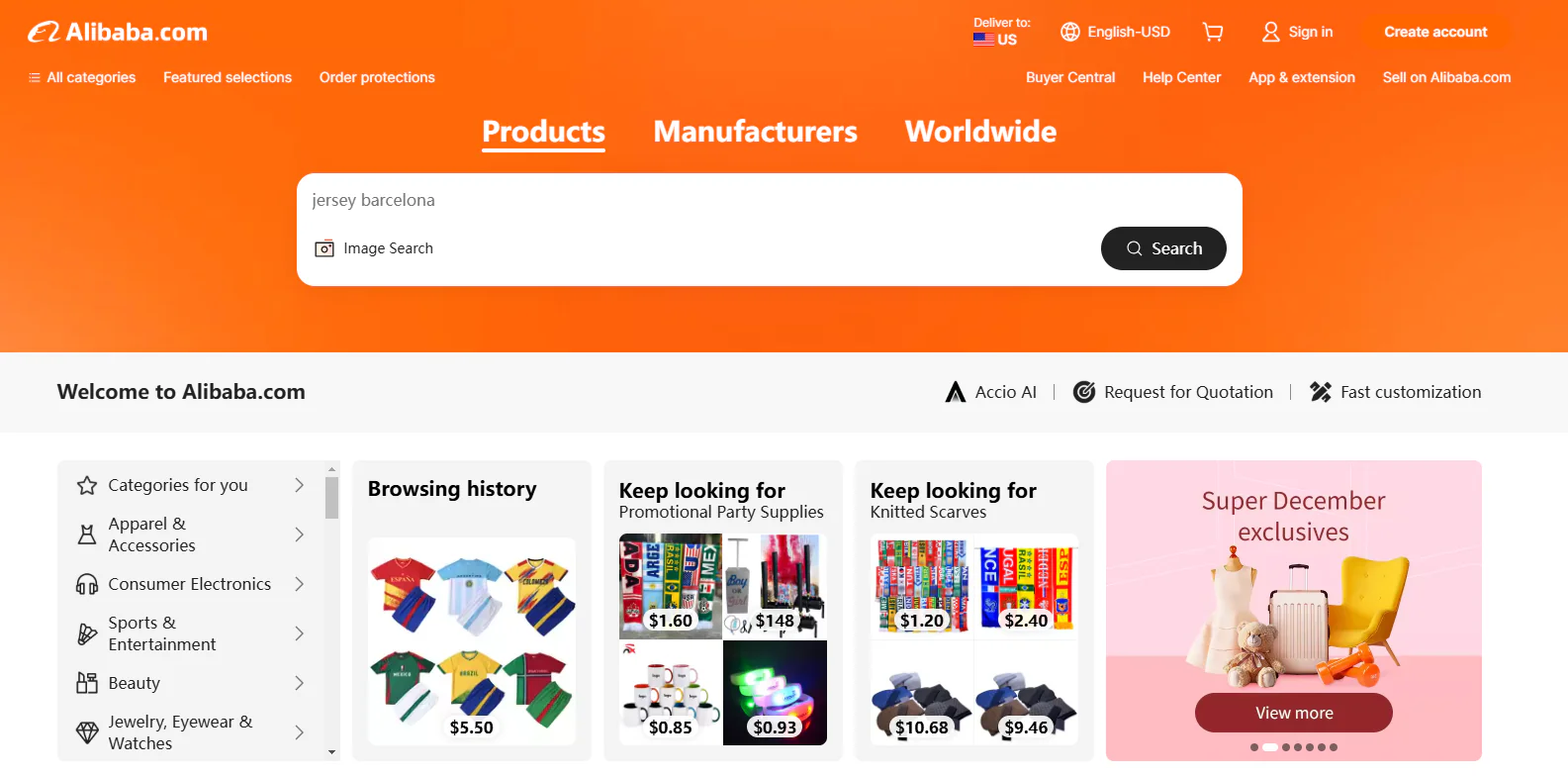
B2B platforms function by providing a centralized marketplace where manufacturers, wholesalers, and retailers can connect. These platforms often include features such as product listings, supplier ratings, transaction history, and communication tools to foster relationships between trading parties. Suppliers can showcase their products, while buyers can navigate a broad array of options and negotiate deals directly.
Key Features of B2B Platforms in Turkey
- User-Friendly Interface: Modern B2B platforms are designed with usability in mind, reducing barriers for both buyers and sellers.
- Comprehensive Product Listings: Suppliers can create detailed product listings, including specifications, pricing, and availability, which can be easily searched by buyers.
- Communication Tools: Integrated messaging systems and negotiation features allow for straightforward communication between parties.
- Payment Security: B2B platforms often implement secure payment gateways to protect both buyers and sellers during transactions.
- Reviews and Ratings: Buyer feedback helps maintain quality control and fosters trust within the platform.
Benefits of Using B2B Platforms for Wholesale Trade
The advantages of utilizing B2B platforms for wholesale trade in Turkey are numerous:
1. Greater Reach
Businesses can access a global market without the need for expensive marketing campaigns or extensive networks. With a few clicks, suppliers can present their goods to potential buyers worldwide.
2. Cost-Effective Marketing
Many B2B platforms offer competitive pricing models that allow suppliers to market their products at lower costs than traditional advertising methods.
3. Efficiency in Procurement
B2B platforms automate various procurement processes, minimizing manual errors and speeding up transaction times. This results in a more streamlined supply chain and savings on operational costs.
4. Access to Market Insights
Users of B2B platforms can gain valuable insights into market trends, buyer preferences, and competitive analysis, which can inform their business strategies.
5. Networking Opportunities
Beyond transactions, these platforms provide networking opportunities, enabling businesses to connect with industry peers, potential partners, and even competitors.
Challenges and Considerations
While the benefits of B2B platforms are compelling, businesses must also navigate potential challenges:
1. Quality Control
Not all suppliers meet the same standards; therefore, buyers need to conduct due diligence before committing to purchases.
2. Language and Cultural Barriers
Turkey’s diverse culture may pose communication challenges. It is essential for businesses to bridge these gaps through effective communication strategies.
3. Competition
The ease of access to global markets means increased competition. Suppliers must differentiate their offerings to stand out in a crowded marketplace.
Future Trends in B2B Wholesale Platforms
As technology continues to evolve, so will the capabilities of B2B platforms. Key trends to watch include:
1. Advanced AI Technology
Artificial Intelligence is likely to enhance the user experience by providing personalized recommendations, chatbots for support, and data analysis for better decision-making.
2. Integration of Blockchain
Blockchain technology could potentially revolutionize transaction security and transparency, providing a distributed ledger that enhances trust among trading parties.
3. Mobile Accessibility
As mobile technology advances, B2B platforms will likely optimize their offerings for mobile devices, making it easier for users to trade on-the-go.
Conclusion
In conclusion, the B2B platform sector in Turkey is poised for growth, driven by the country’s strategic advantages and the increasing globalization of trade. For businesses wanting to thrive in today’s competitive environments, adopting a B2B wholesale platform can be a game-changer. By understanding the operational dynamics, benefits, and potential challenges, businesses can navigate this landscape effectively and unlock new opportunities for growth.