- Email:sales@acgit.com
- phone:(+2) 02 2677 5516
In today’s fast-paced world, where the lines between reality and fantasy often blur, the allure of gambling continues to captivate millions. For many, the experience of entering a casino is not merely about the games; it’s about the rush of adrenaline, the vibrant atmosphere, and the occasional dash of madness. This article will delve into the psychology of gambling, the various games that embody this excitement, and how you can immerse yourself in this thrilling experience. If you’re ready to explore the endless possibilities, visit Mad https://mad-casino-uk.me/.
The Psychology Behind Gambling Madness
The essence of gambling lies deep within human psychology. The prospect of winning big, coupled with the potential for loss, creates an emotional rollercoaster that can drive people to the edges of their sanity. One of the key factors contributing to this phenomenon is the release of dopamine, a neurotransmitter associated with pleasure and reward. When players experience even slight wins, dopamine levels surge, creating a sense of euphoria that can ultimately lead to compulsive behaviors.
Moreover, cognitive biases play a significant role in how individuals perceive their chances of winning. The “gambler’s fallacy” is a well-known concept where players believe that past events influence future outcomes, such as thinking that a losing streak must be followed by a win. This irrational thinking fosters a sense of hope and prolongs the gambling experience, often resulting in increased investment of time and money.
The Thrill of Casino Games
At the heart of the gambling experience are the various games that allure players. Traditional games like poker, blackjack, and roulette have their own unique blend of skill, strategy, and luck. Each game offers a different experience, catering to a wide range of personalities and preferences. Let’s take a closer look at a few popular games:
1. Poker: The Game of Skill and Bluffs
Poker is often considered the epitome of casino games, blending strategic thinking and psychological warfare. Players must not only rely on their cards but also read their opponents to make informed decisions. The tension built around a table during a high-stakes poker game can be intoxicating, as players grapple with the fear of loss and the thrill of victory.
2. Blackjack: The Battle Against the Dealer
Blackjack, or 21, is a game that combines luck with strategy. Players compete against the dealer, trying to get as close to 21 as possible without going over. The simplicity of the rules allows for quick rounds, building excitement and engagement. Players often develop their own strategies, such as “counting cards,” further enhancing their connection to the game.
3. Roulette: The Queen of Chance
Roulette captures the essence of chance, where players place bets on numbers or colors, hoping that the spinning wheel lands in their favor. The suspense builds with each spin, as players await the outcome. The unpredictability of the game adds to its mad charm, making it a favorite among many.
The Role of Online Casinos in Modern Gambling
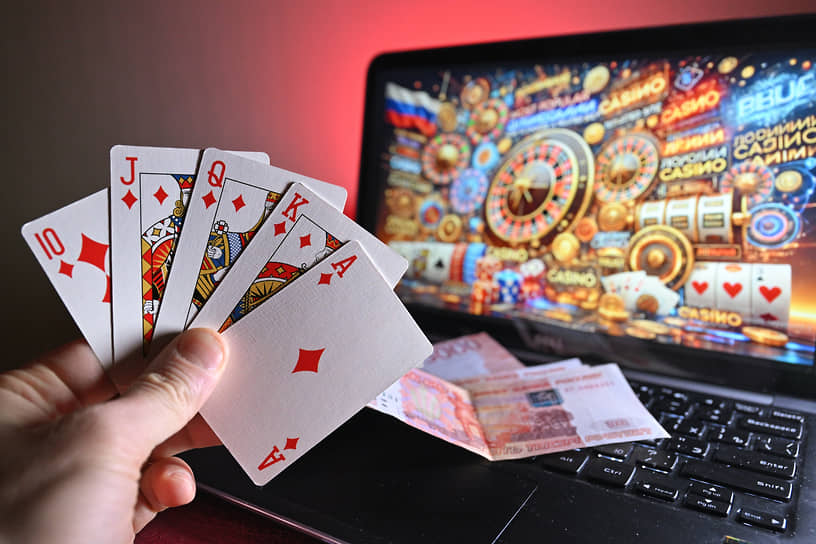
The digital age has transformed the way people experience gambling. Online casinos offer convenience and accessibility, allowing players to engage in their favorite games from the comfort of their homes. With advancements in technology, these platforms now provide immersive gaming experiences, complete with live dealers, enhancing the thrill of traditional casino games.
However, the ease of access also raises concerns about responsible gambling. The thrill that comes with instant play can quickly turn into a cycle of compulsive betting. It’s crucial for players to establish limits and recognize when the fun of gambling turns into a dangerous obsession.
The Impact of Gambling on Society
As the popularity of gambling grows, so does the conversation about its societal implications. While many people enjoy gambling responsibly and as a form of entertainment, others face severe consequences, including addiction and financial ruin. The perception of gambling as a vice can stigmatize those who struggle with gambling addiction, making it essential to promote awareness and provide support for affected individuals.
Several organizations actively work towards helping individuals grappling with gambling addiction, offering resources and counseling. Society must balance the enjoyment of gambling as a recreational activity while addressing the potential harms it can cause.
Conclusion: Embracing the Madness Wisely
The world of gambling is undeniably thrilling, steeped in a captivating blend of psychology, chance, and strategy. As people continue to seek out new experiences in casinos, both physical and online, it’s imperative to approach this madness with caution and mindfulness. By understanding the psychological aspects of gambling and recognizing the potential consequences, players can enjoy the lighter side of this exhilarating pastime while avoiding its darker depths. So whether you’re attracted to the vibrant lights of a land-based casino or the convenience of online gaming, remember to embrace the madness responsibly.