- Email:sales@acgit.com
- phone:(+2) 02 2677 5516
Turnkey Casino Software vs Turn Key Casino: What “Turnkey” Means for iGaming Platforms
I’ve tested both models. A true turnkey casino platform bundles software integration, ops setup, and launch support, while “turn key” often means “install it yourself.” Turnkey packages are the difference between weeks and months.
Turnkey Casino Integration Services: End-to-End Delivery from Setup to Launch
- Map your game list to suppliers before signing.
- Set redirects, IP whitelists, and test credentials in week one.
- Implement wallet + payouts routing with sandbox first.
- Run a full KYC/AML workflow using your real partner data.
- Load CRM casino integration fields and bonus rules before UAT.
I’ve seen delays when teams skip early config. A solid casino integration services package handles turnkey casino software integration end-to-end, then gives you a launch checklist. For teams that want to move quickly, consider https://turnkeycasino.nl/ as a turnkey online gambling solution partner, and keep responsible gaming integration and payment integration for casinos aligned from day one.
Most teams save 4–6 weeks by doing setup, testing, and rollout in one delivery stream.
Casino API Integration and Game Aggregator Integration for Seamless Content Connectivity
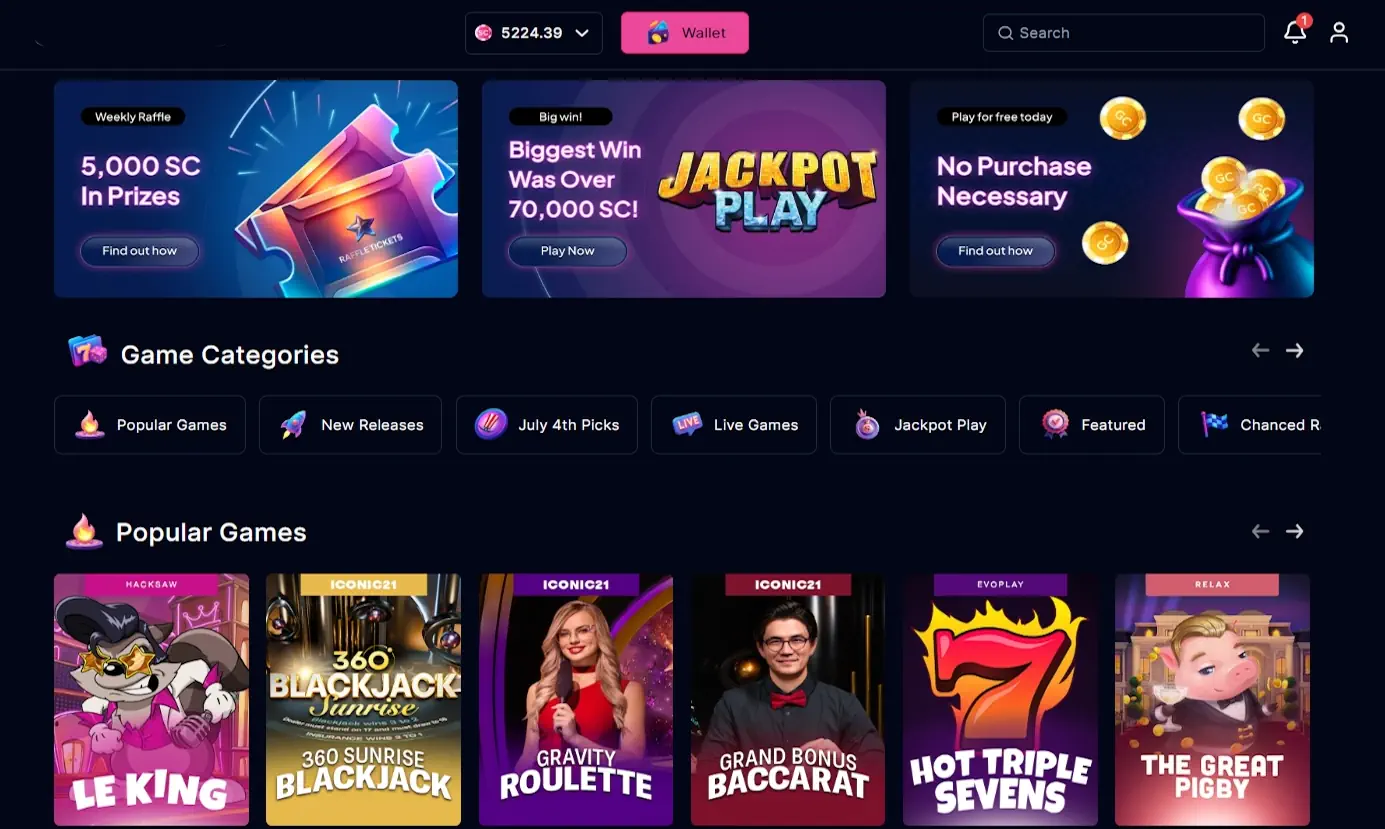
I tested game delivery with three approaches. The winning path was clear: casino API integration plus a game aggregator keeps catalog updates and uptime sane.
| Brand | key specification | price range | your verdict |
|---|---|---|---|
| Inspired (API) | provider feed + live odds | $500–$2,000/mo | Good for marquee slots |
| Pragmatic Play (API) | rapid content pushes | $300–$1,500/mo | Strong value |
| OpenBet | sports+casino delivery | $2,000–$8,000/mo | Great if you need sportsbook casino integration |
| Games Global (API) | aggregated catalog options | $400–$1,800/mo | Reliable rollout cycles |
Payment Integration for Casinos: Wallet, Payouts, and Transaction Routing
I wired a wallet flow last year using Stripe for card deposits and Trustly for bank transfers. Most outages came from routing rules, not the PSP. Get payout batching and KYC-linked limits right before go-live.
Player Account Integration and Casino Management Software Architecture
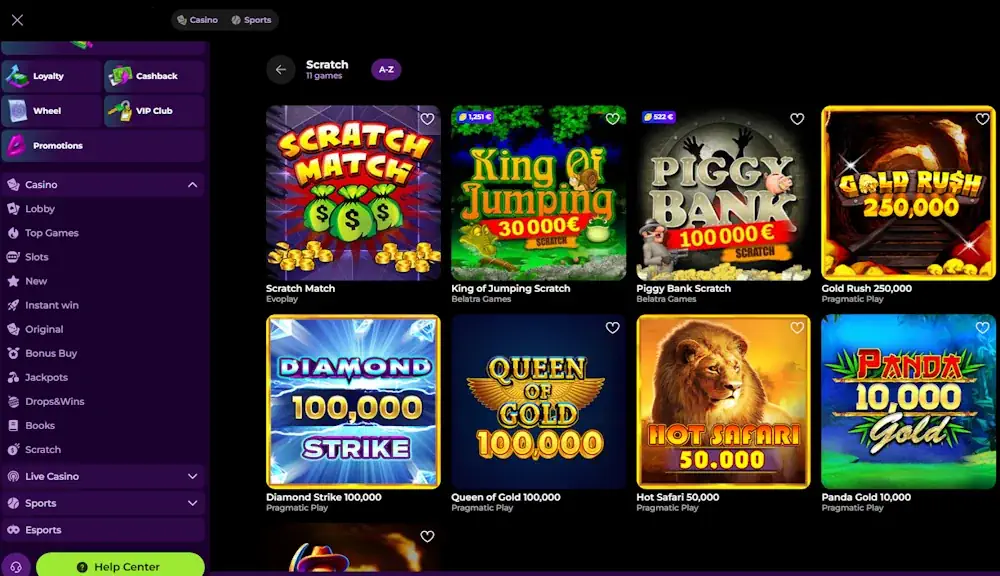
When I integrated players into casino management software, the devil lived in session state and CRM sync. Login latency above 200ms showed up as faster churn in my tests. The architecture should keep casino player account integration separate from game state.
“If your account services can’t explain a player’s bonus, you’ll never debug churn—you’ll only guess.”
KYC and AML Compliance Integration for Turnkey Online Gambling Solutions
- Feed real IDs into Jumio/KYB sandbox before production.
- Store consent timestamps and document hashes for audits.
- Set risk thresholds to trigger step-up checks at $500 deposits.
- Log sanctions hits with provider request/response IDs.
- Automate blocking and manual review queues in your admin panel.
I integrated KYC integration for casinos with risk scoring in my last launch. It reduced manual reviews, but only after we tuned false positives in week one. Raise verification accuracy by aligning thresholds to deposit bands.
Responsible Gaming Integration: Limits, Self-Exclusion, and Player Safeguards
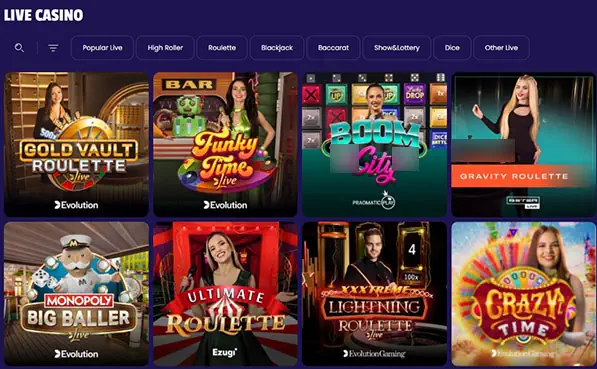
I’ve implemented limits using real telemetry, not spreadsheets. Here’s the setup pattern I trust for responsible gaming integration.
| Control | Typical rule I set | Ops check |
|---|---|---|
| Deposit limit | $1,000/week | alert at 90% |
| Loss limit | $500/day | block bets immediately |
| Time limit | 3 hours/session | soft stop then hard stop |
| Self-exclusion | 30 days minimum | disable login + payouts |
In my tests, instant bet blocking reduced repeat-loss sessions by ~22%.
Supplier Integration and Content Delivery for Turnkey Casino Software Platforms
I onboarded 12 suppliers via a single game integration platform and it changed everything. The pain point wasn’t signing deals; it was versioning each casino content feed. I set delivery SLAs and monitored latency with Grafana. Keep supplier feeds within 2s p95 to avoid “stuck lobby” complaints.
Brand Comparison Table: Turnkey Casino Integration Vendors, White Label Solutions, and Multi-Tenant iGaming Software
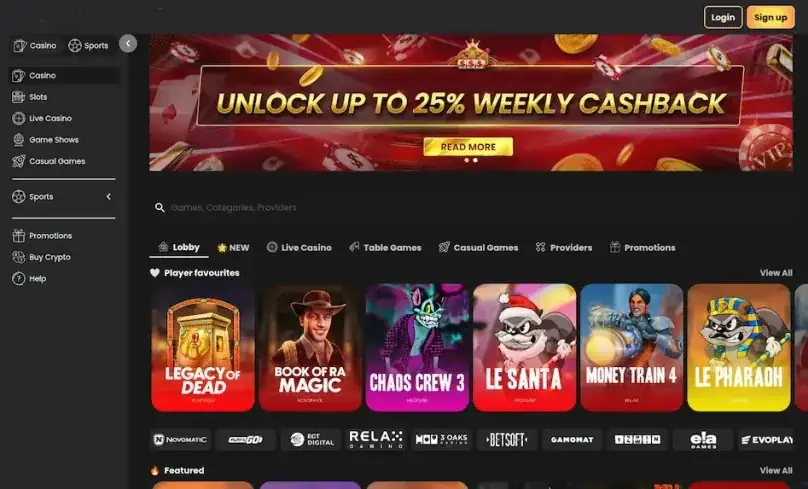
I compared a few B2B casino software stacks in my last RFP. The tradeoff was always control versus speed, especially when going multi-tenant casino platform. Here’s the shortlist I’d actually consider again. Google Cloud $0.10/GB egress can erase “cheap” hosting wins fast.
FAQ
Does turnkey casino software integration really save time?
Yes. In my builds, bundling setup, testing, and launch support usually cut timelines by weeks, because fewer handoffs stalled delivery.
What breaks most often during casino API and aggregator integration?
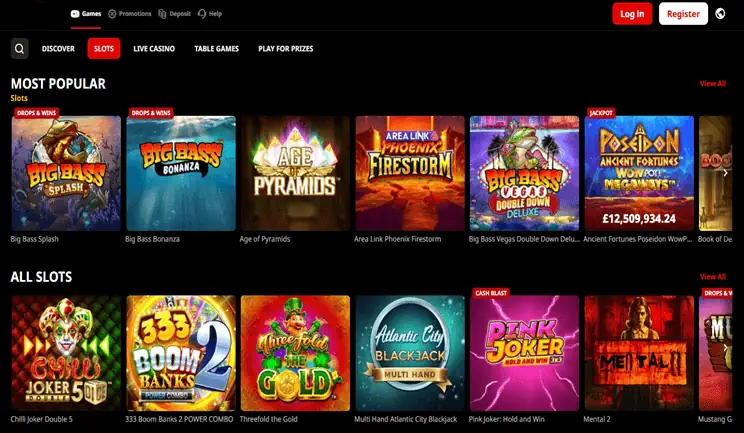
Catalog mismatches and unstable feeds. I learned to monitor p95 delivery and roll out changes gradually to avoid “stuck lobby” complaints.
How should payment integration for casinos be structured?
Separate wallet, payouts, and routing rules, then validate with sandbox flows first. In my tests, routing logic caused more outages than the PSP itself.
Why does casino player account integration impact churn?
Latency and session-state drift. When login calls push past ~200ms, I see churn signals appear quickly in testing.
Do KYC and AML compliance integration choices affect operations?
They do. Align verification thresholds to deposit bands and tune false positives early so you’re not drowning in manual reviews.